
By Meera | Oct 2025
Diwali, widely known as the Festival of Lights, is one of the most significant festivals celebrated in India. While it is primarily a Hindu festival, Diwali is also observed by followers of Jainism and Sikhism, each with its own cultural and religious interpretations. The festival symbolises the victory of dharma (righteousness) over adharma (injustice), light over darkness, good over evil, and wisdom over ignorance.
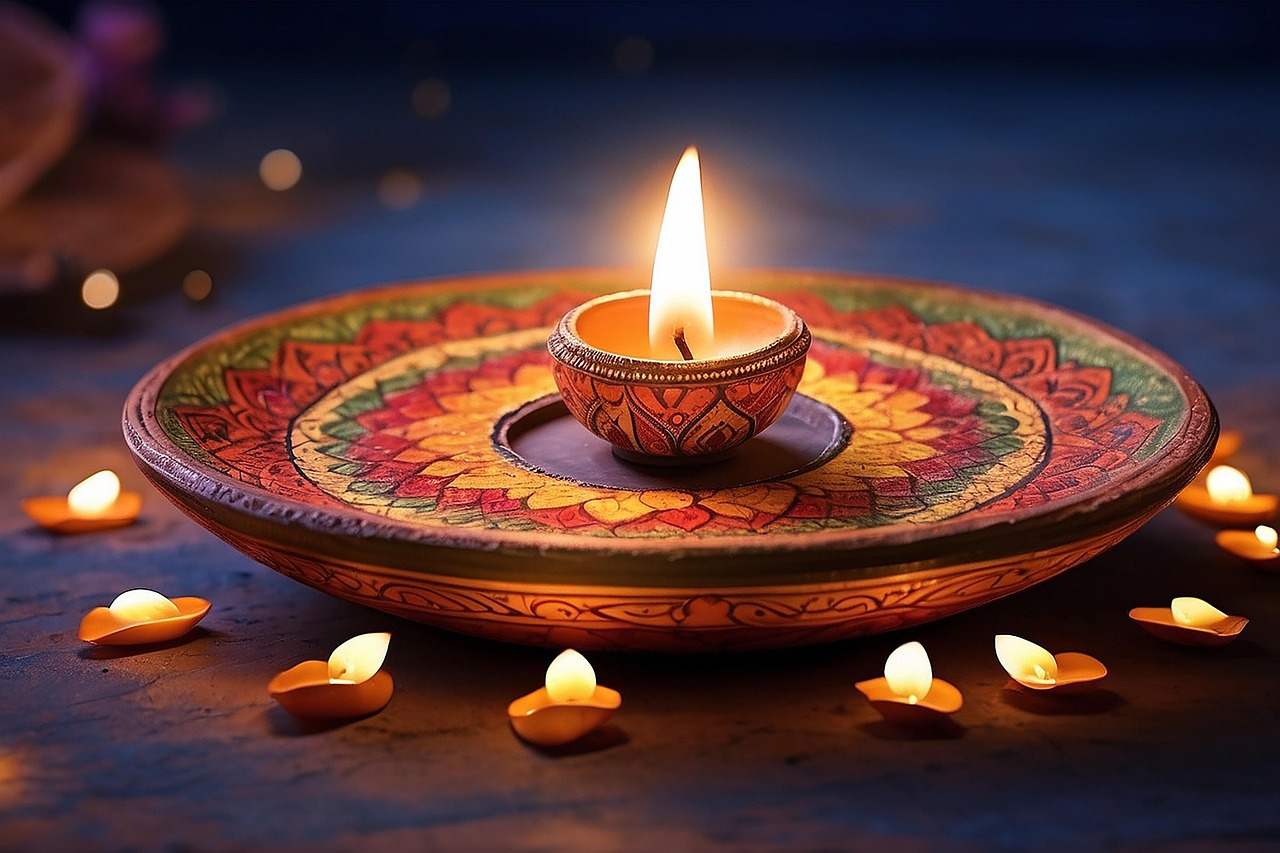
Diwali is celebrated during the Hindu lunisolar months of Ashvin and Kārtika and usually falls between mid-October and mid-November. The festivities typically extend over five to six days, with each day holding its own religious and cultural importance. Throughout this period, homes, temples, shops, and workplaces are illuminated with diyas (oil lamps), candles, and decorative lanterns, creating an atmosphere of warmth and positivity.
Diwali is celebrated during the Hindu lunisolar months of Ashvin and Kārtika and usually falls between mid-October and mid-November. The festivities typically extend over five to six days, with each day holding its own religious and cultural importance. Throughout this period, homes, temples, shops, and workplaces are illuminated with diyas (oil lamps), candles, and decorative lanterns, creating an atmosphere of warmth and positivity.
There are several legends and mythological stories associated with Diwali, each adding to the festival’s rich cultural significance. The most widely known story comes from the epic Ramayana.
According to this legend, Lord Rama returned to the city of Ayodhya after completing fourteen years of exile and defeating the demon king Ravana. He was accompanied by his wife Sita and his brother Lakshmana. To celebrate the return of their rightful king, the people of Ayodhya lit rows of oil lamps throughout the city, symbolising the triumph of good over evil and light over darkness.
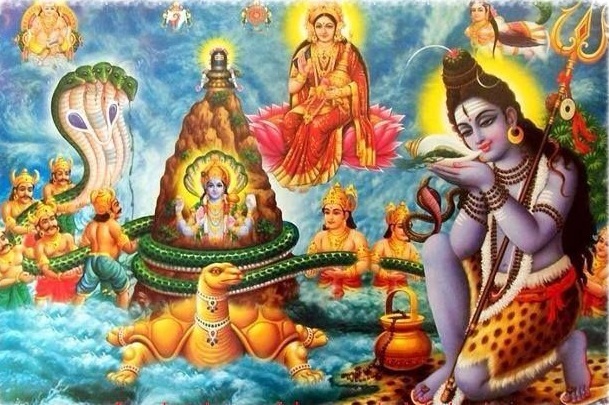
Another important legend connects Diwali with Goddess Lakshmi, the goddess of wealth and prosperity. It is believed that she emerged from the ocean during the great cosmic event known as Samudra Manthan, the churning of the sea by gods and demons. Because of this belief, Diwali is regarded as an especially auspicious occasion for prosperity and abundance.
As part of this tradition, people thoroughly clean their homes to welcome Goddess Lakshmi, perform Lakshmi Puja on Diwali night, and light lamps to invite positivity, good fortune, and success into their lives. This legend also explains why Diwali is considered a favourable time for new beginnings, business ventures, and financial activities.
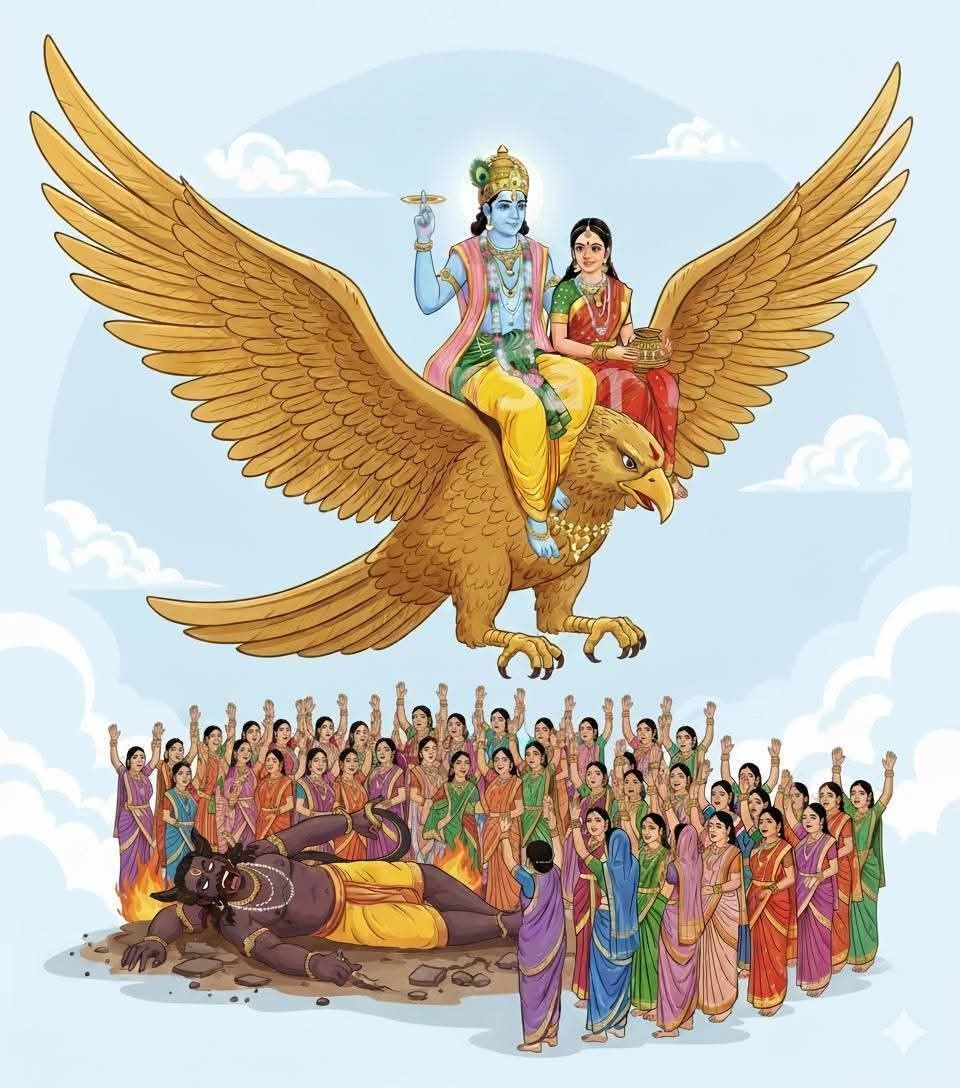
Another significant story linked to Diwali is that of Lord Krishna and the demon Narakasura, commemorated as Naraka Chaturdashi. According to the legend, Narakasura was a cruel ruler who oppressed people and imprisoned many women. Lord Krishna ultimately defeated and killed the demon, freeing his captives and restoring peace. This event represents the destruction of evil forces and is observed as an important part of the Diwali celebrations.
For followers of Jainism, Diwali holds profound spiritual importance as it marks the day when Lord Mahavira, the 24th Tirthankara, attained nirvana, or liberation from the cycle of birth and death. This event symbolises spiritual awakening and the attainment of ultimate truth. On this occasion, lamps are lit to represent the light of Mahavira’s wisdom, while practices such as meditation, simplicity, and non-violence are emphasised. This Jain interpretation gives Diwali a deep spiritual significance that goes beyond festive celebrations.
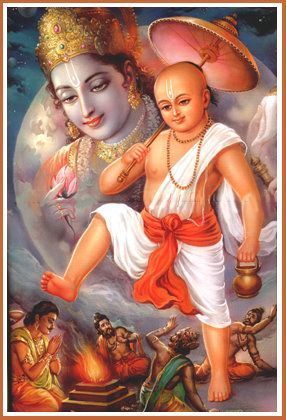
Another legend associated with Diwali is the story of King Mahabali, a powerful yet benevolent ruler. According to mythology, Lord Vishnu appeared before him in the form of Vamana, a dwarf Brahmin, and sent Mahabali to the underworld. Impressed by the king’s devotion and humility, Vishnu granted him the boon of visiting Earth once every year. This story highlights values such as generosity, humility, and devotion and is commemorated during Diwali as Bali Pratipada or Govardhan Puja. It also connects the festival with ideals of ethical leadership and moral responsibility.
In addition to mythological beliefs, Diwali is linked to historical tradition through the coronation of King Vikramaditya, a legendary ruler celebrated for his wisdom, justice, and prosperity. Some traditions believe that his accession to the throne took place on Diwali, marking the beginning of a golden era of peace and good governance. As a result, Diwali is also viewed as a symbol of renewal, righteous leadership, and cultural pride.
Together, these narratives give Diwali a rich historical, cultural, and spiritual dimension, making it a festival rooted not only in mythology but also in values that continue to inspire society.
“Diwali is more than a festival of lights; it is a celebration of values, stories, and traditions that continue to inspire generations.”
As lamps glow and hearts unite, let love and joy illuminate every corner of your life, leaving no room for darkness.
Life was never meant to be perfect; it was meant to be lived fully, fearlessly, beautifully, and authentically.
Through it all, remember to look up at the stars and keep dreaming.
There is always magic in the air - waiting to be felt, seen, and believed in
Happy Diwali :) Become the BEST Version of Yourself, Live Your Life Joyfully Enjoying Every Moment of Your Life.
✨ Choose consciously. Live joyfully. Become who you’re meant to be.

©2023 All Rights Reserved